
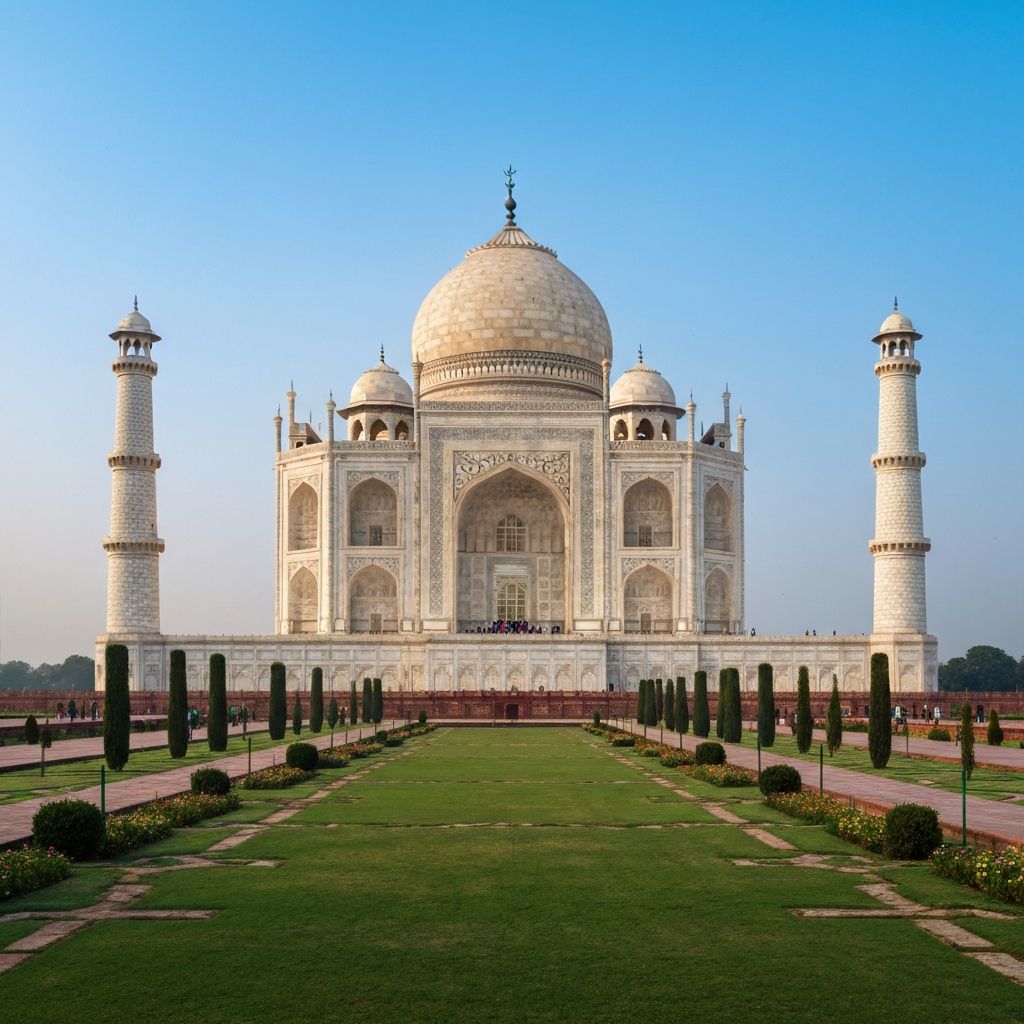
India Wellness Holiday 2026: Yoga, Ayurveda & Complete eVisa Guide From Singapore
Complete wellness holiday guide for Singapore travelers. Learn about yoga retreats, Ayurveda treatments, best wellness destinations, eVisa process, budget planning, what to expect, and how to prepare for transformative wellness travel.
You've been thinking about slowing down. Life in Singapore moves fast—work, commitments, the constant hum of productivity. Somewhere in your thoughts, India appears. Not as a tourist destination, but as a possibility. A chance to step away from the usual travel itinerary and into something different. Yoga classes at sunrise. Ayurveda treatments that feel like coming home to something you didn't know you needed. Time that moves differently.
But the idea feels vague. Where exactly would you go? What would a wellness holiday in India actually look like for a Singaporean? How do you apply for your eVisa when you're traveling for wellness rather than regular tourism? What's the budget? Which centers are legitimate? How long should you stay to actually feel the benefits?
This guide answers all those questions. You'll learn what wellness tourism in India actually entails (and what it isn't), why India specifically is the world's wellness authority, which types of wellness experiences make sense for different travelers, where to find legitimate yoga centers and Ayurveda clinics, how to apply for your eVisa with wellness travel in mind, what to realistically expect during your first wellness holiday, how to prepare physically and mentally, and how to return to Singapore with genuine transformation rather than just photos.
Wellness tourism in India isn't a luxury add-on to sightseeing. It's a fundamentally different travel experience. You're not visiting attractions; you're committing to a practice. You're not sampling experiences; you're immersing in tradition. This distinction matters because it shapes everything—how long you stay, where you go, what you pack, and how you approach the eVisa application itself.
Why India for Wellness: The Real Reason It Matters
India isn't just another wellness destination. It's the origin point. Yoga emerged from India thousands of years ago. Ayurveda, the traditional medical system underpinning much of modern wellness, comes from India. When you travel to India for wellness, you're not visiting a spa that applies Indian techniques—you're going to the source.
For Singaporeans, this distinction is important. Singapore has excellent wellness spas and yoga studios. They're convenient, professional, and beautifully designed. But they're teaching adapted versions of practices that originated in India. Going to India for wellness is fundamentally different. You're learning yoga from teachers trained in lineages stretching back centuries. You're receiving Ayurveda from practitioners who studied the classical texts. You're immersing in an ecosystem where these practices aren't marketed wellness trends but integrated ways of living.
The authenticity isn't romantic fantasy—it's practical. An Ayurveda practitioner in India will diagnose your constitution (dosha) through detailed questioning and observation in ways that go beyond what's typical in Singapore spas. A yoga teacher in India may adjust your practice based on subtle observations that reflect decades of training. The environment itself—the temples nearby, the seasons of India, the daily rhythms—becomes part of the practice.
For wellness-focused travelers, this authenticity is exactly why the trip is worth taking. You're not paying for luxury (though some centers offer that); you're paying for genuine expertise and immersion.
What Wellness Tourism in India Actually Means
Wellness tourism in India takes several forms. Understanding the differences matters because they shape your experience completely differently.
Yoga-Focused Holidays
A yoga-focused wellness holiday centers on consistent daily practice, typically 2-4 hours of classes daily, combined with meditation, breathing exercises (pranayama), and philosophy study. You're not learning yoga as exercise; you're learning yoga as a system for physical, mental, and spiritual development.
Duration matters. A week gives you time to settle into practice and begin feeling benefits. Two to three weeks allows deeper exploration. A month creates genuine transformation. Yoga retreats typically include:
- Morning practice (5-7 AM): Usually 90 minutes of asana (physical postures) followed by pranayama and meditation
- Afternoon study (2-4 PM): Philosophy, yoga theory, or Sanskrit study
- Evening practice (6-8 PM): Gentle yoga, meditation, or chanting
- Meals: Usually vegetarian or vegan, aligned with yogic principles
- Free time: For rest, personal practice, or exploration
The experience is both deeply peaceful and surprisingly challenging. Not physically challenging (though some styles are intense), but mentally challenging. You're sitting with your thoughts for hours daily. You're confronting patterns you typically distract yourself from. This isn't a vacation where you escape; it's a practice where you encounter yourself more directly.
Ayurveda-Focused Holidays
An Ayurveda wellness holiday involves daily treatments combined with lifestyle guidance, dietary changes, and yoga integrated with Ayurvedic philosophy. Treatments typically include:
- Abhyanga: Full-body oil massage with specific oils chosen for your constitution
- Shirodhara: Medicated oil flowing continuously over your forehead (profoundly relaxing)
- Nasya: Nasal administration of medicated oils to clear sinus passages and calm the mind
- Panchakarma: Intensive detoxification treatments designed to remove deep toxins
- Herbal therapies: Internal medicines tailored to your specific imbalances
Ayurveda works by addressing your constitution (dosha) rather than symptoms. An Ayurvedic doctor will spend 1-2 hours on your first consultation, asking detailed questions about digestion, sleep, emotions, lifestyle, and family history. They'll observe your tongue, pulse, and general presence. Then they'll design treatments specifically for you.
The experience is relaxing but also diagnostic. You're learning how your body actually works, why you have certain imbalances, and how to address them through diet and lifestyle rather than just treatment. Many people experience significant shifts—better digestion, sounder sleep, clearer thinking, emotional balance.
Combination Wellness Holidays
Many travelers do both yoga and Ayurveda. This combination is powerful because they complement each other. Yoga prepares the body for Ayurvedic treatment. Ayurvedic treatments support deeper yoga practice. A typical combination day might be:
- 6-7 AM: Yoga practice
- 8 AM: Breakfast
- 9-11 AM: Ayurvedic treatment (massage, oil therapy)
- 11 AM-1 PM: Rest and integration
- 1 PM: Lunch
- 2-4 PM: Free time or optional activities
- 4-5 PM: Yoga class or personal practice
- 6 PM: Dinner
- 7-8 PM: Meditation or evening yoga
This rhythm feels luxurious but also purposeful. You're not lying on a beach; you're engaged in practices that create genuine wellness shifts.
The Best Wellness Destinations in India
Not all Indian wellness centers are equal. Location, lineage, teacher training, and center philosophy vary dramatically.
North India: Traditional Yoga Capital
Rishikesh, Uttarakhand: The yoga capital of the world. Hundreds of ashrams and yoga centers line the Ganges River. Quality ranges dramatically—from established ashrams teaching classical yoga to tourist-oriented centers offering "yoga packages."
Best for: Serious yoga students, spiritual seekers
Budget: SGD 30-80/night for ashram stay + meals
Best approach: Seek recommendations from yoga teachers—word-of-mouth reveals quality
Goa: Beach-based yoga and wellness retreats. More luxury-oriented than Rishikesh, combining yoga with resort comfort and beach access. Popular with Singaporeans and affluent wellness travelers.
Best for: Those wanting yoga with comfort
Budget: SGD 100-250/night depending on resort
South India: Ayurveda Heartland
Kerala: The birthplace of Ayurveda. Kerala has the richest tradition of authentic Ayurvedic practice. Centers here often have multi-generational Ayurvedic doctors. The lush tropical landscape and peaceful atmosphere support deep healing.
Best for: Serious Ayurveda seekers, detoxification-focused travel
Budget: SGD 80-150/night for traditional centers
Best timing: October-March (cooler, better for treatments)
Combination Destinations
Pune: Growing wellness hub with excellent yoga schools and Ayurvedic centers. Less touristy than Rishikesh, with serious practitioners and teachers.
Best for: Combination yoga + Ayurveda; serious practice
Budget: SGD 60-120/night
Understanding Your eVisa for Wellness Travel
Your eVisa application for wellness travel is straightforward, but timing and documentation matter.
Which eVisa Type?
The Tourist eVisa is correct for wellness travel. You're visiting for leisure and personal wellness experiences—yoga and Ayurveda classes are cultural experiences and personal development, not business activities.
Your intensive yoga teacher training or Ayurveda studies are personal wellness pursuits, not commercial work. Tourist eVisa is appropriate.
eVisa Duration Strategy
For 2-week wellness holidays: 30-day single-entry Tourist eVisa is adequate. Choose 1-year multiple-entry if you plan to return within 12 months.
For 3-4 week wellness holidays: 1-year multiple-entry gives you flexibility and doesn't add significant cost.
For back-to-back wellness trips: 5-year multiple-entry is smart. Many wellness travelers return multiple times.
Application Timeline
If traveling in late 2026: Apply in July-August. This gives you 6-8 weeks buffer and standard processing means approval by early August.
If traveling in early 2027: Apply in October-November. Peak wellness season is October-March.
Budget & Costs: What Wellness Holidays Actually Cost
A comprehensive wellness holiday from Singapore involves several expenses:
- Flights Singapore-India: SGD 400-700 (roundtrip, economy)
- Budget ashram/center: SGD 40-60/night (meals included, basic facilities)
- Mid-range wellness center: SGD 80-150/night (good food, comfortable rooms, quality instruction)
- Luxury wellness resort: SGD 200-400+/night (premium facilities, gourmet meals)
- Additional treatments: SGD 30-80 per treatment
- Travel insurance: SGD 50-150 for 2-4 week trip
Total budget for 3-week wellness holiday:
- Budget option: SGD 2,000-2,500
- Mid-range: SGD 3,500-5,000
- Luxury: SGD 6,000-10,000+
Most Singaporeans find mid-range (SGD 3,500-5,000) for 3 weeks excellent value compared to domestic wellness spending.
What to Realistically Expect
Physical Experience
Yoga practice will likely make you sore initially. Your body adapts to new movement patterns. By day 3-4, initial soreness subsides. By day 10-14, you feel stronger and more flexible.
Ayurvedic treatments are deeply relaxing. Shirodhara (oil flowing on your forehead) feels extraordinary. After treatments, you'll feel calm and slightly spacey. Some people experience detox symptoms (mild headaches, energy dips) as the body releases tension. This is normal and usually passes within days.
Diet shifts dramatically. Most centers serve vegetarian or vegan meals. Your digestion adapts over 3-4 days. Energy levels often increase once digestion settles.
Mental & Emotional Experience
Meditation and yoga practice calm the mind. You'll experience moments of genuine peace and mental clarity. You'll also encounter your own mental patterns more directly—this can be uncomfortable initially but becomes valuable self-knowledge.
Most people find themselves wanting to continue practices at home. Join a yoga studio in Singapore or find an Ayurvedic practitioner locally to maintain momentum.
Common Questions About Wellness Holidays
Q: Is it safe to do intensive yoga if I have health conditions?
A: Inform your yoga teachers and Ayurvedic doctor about all health conditions. Most conditions don't prevent practice—they simply shape how you practice. However, consult your Singapore doctor before traveling, especially for serious conditions.
Q: How do I know if a yoga center or Ayurveda clinic is legitimate?
A: Research thoroughly. Look for teachers trained in established lineages, long-term presence, detailed websites with transparency about qualifications, reviews from Western practitioners, and recommendations from yoga communities.
Q: Can I do yoga and Ayurveda simultaneously?
A: You can do both. They complement each other beautifully. Yoga prepares your body for Ayurvedic treatment. Ayurvedic treatments support deeper yoga practice. A 3-4 week combination is ideal.
Q: Will I have life-changing realizations?
A: Probably not. You'll likely feel better physically and mentally. Some people experience significant shifts. Some experience subtle improvements. Most experience both—physical benefits (better sleep, digestion, energy) alongside mental clarity. Approach with openness rather than expectation.
Q: How much weight will I lose?
A: This varies. Many people lose weight due to changed diet and increased movement. Some don't. Weight loss isn't the goal of yoga/Ayurveda. Improved health and balance are. Don't travel for weight loss alone.
Q: Is Ayurvedic treatment effective?
A: Thousands of years of documented effectiveness and millions of users worldwide suggest real benefits. Many people experience clear improvements in digestion, sleep, and energy. Approach with curiosity rather than skepticism, but also without blind faith.
Preparing for Your Wellness Holiday
Physical Preparation
Light stretching and walking for 2-3 weeks before your trip helps your body adapt more smoothly. You don't need to be flexible—yoga teaches flexibility. You don't need to be fit—yoga builds fitness. Core strength is more important. Simple exercises—planks, bridges, gentle squats—prepare your body for yoga practice.
Mental Preparation
Understand what you're committing to:
- Consistency: You'll practice every day, sometimes twice daily. This is the point.
- Simplicity: Expect minimal entertainment, phones, and external stimulation. This is intentional.
- Openness: Some practices will feel unfamiliar. Approach with curiosity rather than judgment.
- Patience: Transformation takes time. You might not feel dramatically different by day 5. By day 14-21, most people notice significant shifts.
Practical Preparation
- eVisa: Apply for your eVisa 6-8 weeks before travel
- Fitness clearance: Consult your doctor before intensive yoga
- Medications: Bring adequate supplies of any regular medications
- Immunizations: Check current recommendations for India
- Travel insurance: Get comprehensive coverage including medical evacuation
- Clothing: Pack loose, comfortable clothes for yoga. Modest clothing for temple visits.
- Toiletries: Bring preferred items, though Indian products work well
- Money: Carry some USD or SGD. Most centers accept cards, but cash provides backup.
Integration: Bringing Your Practice Home
The real test is what happens after your holiday. You'll return to Singapore with new practices, clearer energy, and probably some expectations about maintaining your momentum.
Realistic integration:
- Join a yoga studio offering styles you practiced in India
- Find an Ayurvedic practitioner in Singapore for periodic consultations
- Establish a home practice (even 20 minutes daily makes a difference)
- Apply dietary principles learned in India
- Continue meditation practice
Most people don't maintain 100% of their wellness holiday routine. But 50% continued practice—yoga 2-3x weekly, Ayurvedic principles in your diet, regular meditation—creates lasting benefits and makes your next wellness holiday more deepening rather than starting from scratch.
Your Wellness Holiday Timeline
12 weeks before: Research destinations and centers. Decide on yoga, Ayurveda, or combination.
10 weeks before: Apply for your eVisa. Begin researching specific centers.
8 weeks before: eVisa approved. Book your wellness center/retreat and flights.
6-4 weeks before: Confirm all bookings. Arrange travel insurance. Begin light physical preparation.
2 weeks before: Complete packing. Contact us if you have final questions. Mental preparation—set realistic expectations.
Upon return: Rest for 1-2 days. Integrate practices gradually. Find local yoga/Ayurveda support.
Your Wellness Holiday Awaits
India's wellness traditions exist because they work. Thousands of years of practice, millions of practitioners, and growing scientific validation (especially for yoga) confirm that these practices create genuine health and wellbeing benefits.
For Singaporeans with the means and interest, a wellness holiday in India isn't luxury—it's investment in your health that pays dividends for years.
Your eVisa is straightforward. Your center options are excellent. Your preparation is manageable. The barrier isn't logistical; it's simply deciding that your wellness matters enough to commit 2-4 weeks to it.
The question isn't whether you can do this. The question is whether you will.
If you're ready to start your eVisa application for wellness travel, or have specific questions about centers, preparation, or what to expect, contact us for personalized guidance.
Your wellness journey in India is waiting.
Ready to Visit India?
Get your India eVisa quickly and easily with our expert assistance