
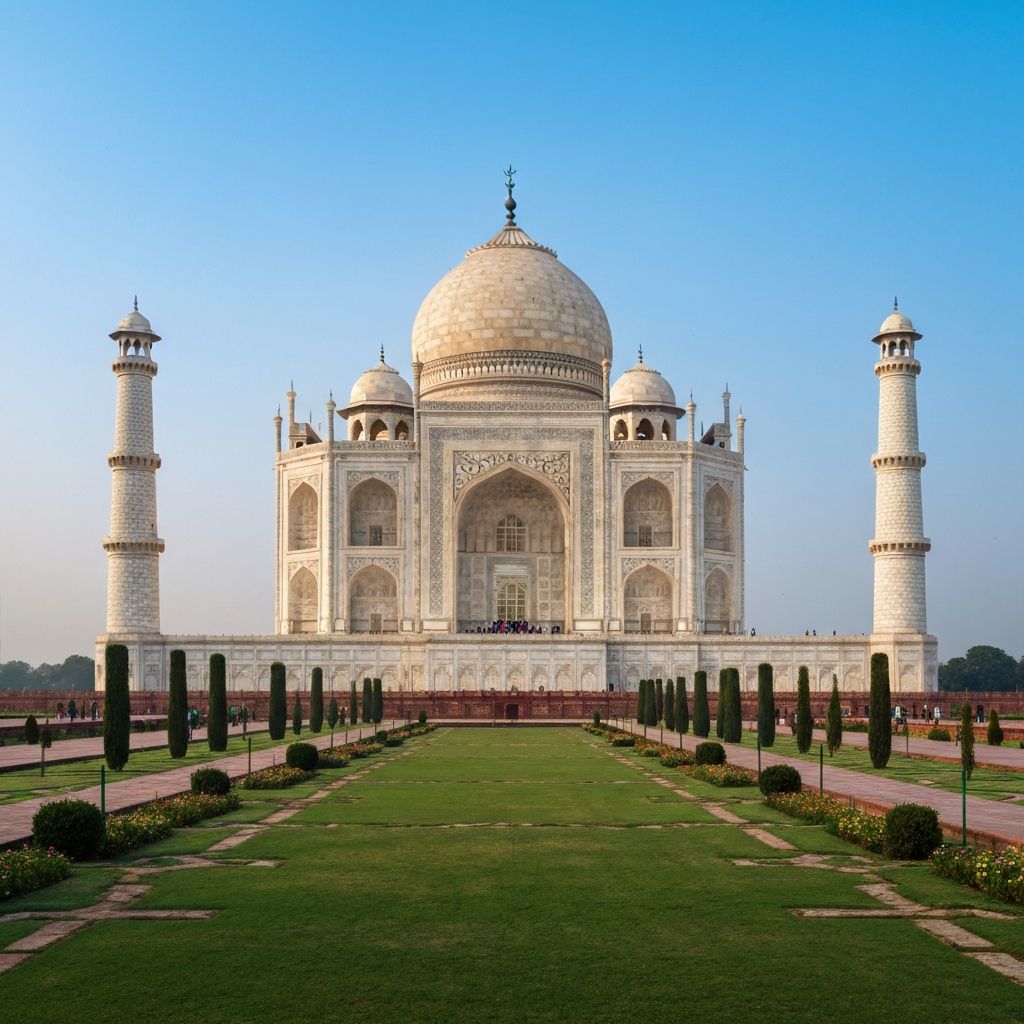
Complete India Travel Preparation Guide for Singaporeans: Packing, Documents & Health
Essential India travel preparation checklist for Singapore residents. Learn what to pack, required documents, vaccinations, travel insurance, and expert tips to ensure a smooth and healthy trip to India from Singapore.
Preparing for your India trip requires careful planning. This comprehensive guide covers everything Singaporean travelers need to know—from essential documents and vaccinations to packing tips and health preparations—to ensure a smooth, healthy, and memorable experience exploring India.
Step 1: Secure Your India eVisa
The first and most critical step is obtaining your India eVisa. Unlike traditional visas requiring embassy visits, Singapore passport holders can apply for India eVisa completely online. The process takes 4-5 business days for standard processing, or 2-3 days for express processing.
eVisa Documents Required
- Valid passport with at least 6 months validity from date of arrival
- Recent passport-sized photo (4x6 cm) with white background
- Clear scan of passport bio page
- Email address for eVisa delivery
- Credit or debit card for payment (SGD 55-85 depending on visa type)
Singaporeans can choose from Tourist, Business, or Medical eVisas depending on purpose of visit. Compare visa types and pricing to select the most suitable option for your travel plans.
Step 2: Complete Medical Preparations
While India is generally safe, proactive health measures prevent common travel illnesses. Schedule a pre-travel consultation with your GP at least 4-6 weeks before departure to discuss recommended vaccinations and preventive measures.
Recommended Vaccinations for India
- Typhoid: Highly recommended; commonly contracted via contaminated food/water
- Hepatitis A: Recommended for all travelers; protects against contaminated water
- Japanese Encephalitis: Consider if visiting rural areas; transmitted by mosquitoes
- Rabies: Recommended if staying in rural regions; important due to stray animals
- Polio, Measles, Tetanus: Ensure routine vaccinations are current
Vaccinations take 2-4 weeks to provide full immunity, so plan accordingly. Keep vaccination certificates in your travel documents and request international certificates from your clinic.
Malaria and Dengue Prevention
While malaria is rare in major tourist destinations, dengue fever is more prevalent. Use mosquito repellent (DEET-based), wear light-colored clothing that covers arms and legs, especially during dawn and dusk. Consult your doctor about antimalarial medication if visiting Goa, Kerala, or coastal regions.
Step 3: Gather Essential Documents
Beyond your passport and eVisa, carry multiple copies of important documents—both physical and digital. Organize them in separate pouches to minimize loss impact.
Critical Documents Checklist
- Passport (original + 2 photocopies)
- India eVisa printed or digital copy
- Travel insurance documents and policy number
- Vaccination certificate (especially if required for return to Singapore)
- Flight tickets and hotel reservations
- Credit/debit cards and cash (mix of INR and SGD)
- Credit card company contact numbers
- Emergency contacts (embassy, family, hotel details)
- Medical prescriptions if carrying medications
- Travel itinerary and emergency contingency plans
Store digital copies on cloud storage (Google Drive, iCloud) and email important documents to yourself. This ensures access even if physical copies are lost or damaged.
Step 4: Arrange Comprehensive Travel Insurance
Travel insurance is essential and often required for eVisa approval. Choose a policy covering medical emergencies, trip cancellation, baggage loss, and evacuation—particularly important given healthcare cost differences between Singapore and India.
Insurance Coverage to Verify
- Medical emergency coverage (minimum SGD 100,000 recommended)
- Hospitalization and evacuation to Singapore
- Trip cancellation and delays
- Baggage loss and personal belongings
- Adventure activities if planned (trekking, water sports)
- COVID-19 related coverage
Read policy exclusions carefully—some exclude high-risk activities or pre-existing conditions. Keep insurance documents accessible throughout your trip and note the 24/7 emergency hotline number.
Step 5: Master the Packing Essentials
India's climate and culture require thoughtful packing. Balance comfort with respect for local customs, particularly when visiting temples and religious sites.
Clothing & Accessories
- Modest clothing: Light cotton salwars, kurtis, or loose pants/dresses; avoid sleeveless/short items at temples
- Footwear: Comfortable walking shoes, sandals that slip off easily (for temple visits), flip-flops
- Scarf/shawl: Essential for temple visits and conservative areas; provides sun protection
- Sunscreen & sunglasses: UV protection crucial; bring SPF 50+ and reapply regularly
- Light jacket: Useful for air-conditioned spaces and hill stations
- Sleepwear & undergarments: Pack 6-8 sets; laundry services widely available but convenient at hotels
Health & Toiletries
- Medications: Carry 3 months' supply if on prescription; keep original bottles with pharmacy labels
- Gastrointestinal aids: Imodium, antacids, oral rehydration salts for digestive adjustment
- Pain relief: Paracetamol, ibuprofen for headaches and minor aches
- Antihistamines: For allergies and minor reactions
- Antibiotic cream & band-aids: For minor cuts and wounds
- Personal hygiene items: Deodorant, feminine hygiene products (limited availability), toilet paper (many restrooms lack these)
- Toothbrush, toothpaste, shampoo: Available in India but bring preferred brands if particular
Electronics & Adapters
- Universal power adapter (India uses Type D & Type M plugs; 220V AC)
- Power bank (20,000mAh) for extended outings
- Charging cables and backup chargers
- Unlocked mobile phone for local SIM card
- Camera and extra memory cards
Step 6: Prepare for Currency & Finances
India's currency is the Indian Rupee (INR). While exchange rates fluctuate, SGD 1 typically equals 55-65 INR. Plan your finances to minimize currency conversion fees and ensure seamless spending.
Money Management Strategy
- Carry mixed currency: Keep SGD 300-500 for emergency exchanges and Indian Rupees (INR 15,000-20,000 minimum)
- Use ATMs wisely: Withdraw larger amounts to minimize transaction fees; ATMs widely available in cities
- Credit cards: Visa/Mastercard accepted at major establishments; inform your bank of travel dates to prevent card blocks
- Avoid exchanging at airport: Rates are significantly worse; exchange at banks or authorized money changers
- Forex cards: DBS, OCBC, and other Singapore banks offer forex cards with competitive rates
Step 7: Final Pre-Trip Checklist (2 Weeks Before)
- Confirm eVisa approval and print copy (carry both digital and physical)
- Review vaccination certificates and ensure valid
- Double-check passport validity (must be 6+ months valid)
- Reconfirm flight bookings and hotel reservations
- Notify bank and credit card companies of travel dates
- Share itinerary with family/emergency contact
- Download offline maps (Google Maps allows offline map downloads for Indian regions)
- Purchase or verify travel insurance coverage
- Check weather forecast and adjust packing accordingly
- Make copies of important documents and store separately
During Your India Journey
While traveling, maintain hygiene awareness: drink only bottled water, avoid raw vegetables and street food initially, and use hand sanitizer before eating. Most digestive issues resolve within 2-3 days as your body acclimates. Keep medication accessible and don't hesitate to visit a doctor if symptoms persist—medical care in India is affordable and of good quality, especially in major cities.
Ready to Explore India?
With proper preparation, your India journey promises incredible experiences. From ancient monuments to vibrant cuisine, friendly locals to spiritual awakening, India welcomes Singaporean travelers warmly. Complete your India eVisa application today and begin your adventure with confidence!
Ready to Visit India?
Get your India eVisa quickly and easily with our expert assistance