
First Time Visiting India from Singapore: Beginner's Guide & Tips to Avoid Mistakes
Essential guide for first-time visitors to India from Singapore. Learn beginner tips, common mistakes to avoid, cultural do's & don'ts, navigating India as a Singaporean, and expert advice for smooth, memorable first India experience.
Visiting India for the first time can feel overwhelming—the size, chaos, colors, sounds, and cultural differences create sensory overload. This guide prepares first-time visitors from Singapore with realistic expectations, practical tips, and wisdom from experienced travelers to transform potential culture shock into deep cultural appreciation and unforgettable memories.
Mindset: What to Expect
India is dramatically different from Singapore in almost every aspect. Coming with adjusted expectations prevents disappointment and allows authentic appreciation of India's unique character.
Key Differences to Embrace
- Scale & chaos: India is massive and seemingly chaotic; accept unpredictability and flow with circumstances
- Hygiene standards: Different from Singapore; prioritize bottled water and cooked food initially
- Time flexibility: Punctuality less valued; trains/buses often run late; patience required
- Crowding: Expect crowds in public places, transport, restaurants; personal space concept different
- Sensory intensity: Louder, more colorful, more fragrant than Singapore; can be overwhelming initially
- Spiritual dimension: Religion integrated into daily life; respect for religious sites and practices essential
Rather than comparing to Singapore standards, approach India with curiosity and openness. This mindset shift transforms potential frustrations into fascinating cultural observations.
Essential First-Timer Mistakes to Avoid
Learning from others' experiences prevents common pitfalls that diminish travel enjoyment.
Mistake #1: Underestimating Distances
India's vastness surprises many Singaporeans accustomed to island-sized countries. A "quick trip" between cities often requires 12+ hours of travel. Plan itineraries with realistic travel time expectations. For first timers, focus on one region (South India, North India, East India) rather than attempting pan-India coverage.
Mistake #2: Street Food Too Quickly
While street food is delicious and cheap, diving in immediately challenges unprepared digestive systems. Spend 2-3 days enjoying cooked restaurant food before experimenting with street food. Your body needs time to adjust to different bacteria and spices. Start with famous establishments frequented by locals (crowded stalls = fresh, safe food).
Mistake #3: Ignoring Hydration
India's climate, especially in summer, dehydrates aggressively. Drink more water than you think necessary—at least 3-4 liters daily. Always carry bottled water; never drink tap water. Dehydration causes headaches, fatigue, and exacerbates digestive issues. Electrolyte drinks (coconut water, lassi) replenish minerals lost through sweating.
Mistake #4: Excessive Physical Activity Initially
The combination of climate, altitude changes, and unfamiliar surroundings tires quickly. First 2-3 days, engage in light activities, rest frequently, and allow acclimatization. Overexertion leads to exhaustion and illness.
Mistake #5: Negotiating Prices Aggressively
While bargaining is cultural in markets, aggressive negotiation over small amounts can offend and undermine local livelihoods. Bargain respectfully; accept final prices gracefully. Remember: savings of a few rupees matter more to vendors than to visitors.
Mistake #6: Photographing Without Permission
Always ask before photographing people, temples, or during religious ceremonies. Some consider photography disrespectful or unlucky. Respect privacy and religious sentiments—photos can be retaken elsewhere.
Cultural Etiquette: Do's and Don'ts
Understanding cultural norms prevents unintentional disrespect and enriches interactions with locals.
Religious Site Etiquette
- Do: Remove shoes before entering temples/homes; dress modestly (cover knees and shoulders)
- Don't: Enter inner sanctums reserved for devotees; photograph religious ceremonies without permission; point feet toward deity
- Do: Accept prasad (blessed offerings) gracefully with right hand
- Don't: Refuse prasad unless dietary restrictions; considered impolite
Social Interactions
- Do: Use right hand for eating, greeting, and giving/receiving items
- Don't: Show soles of feet; considered disrespectful in Indian culture
- Do: Respect elders; offer seat in public transport
- Don't: Display excessive affection in public; Indian culture conservative in physical displays
- Do: Accept hospitality; refusing food/drink can offend
General Behavior
- Do: Smile and greet locals warmly; most Indians respond positively to respect and politeness
- Don't: Raise voice in disputes; maintaining composure and politeness valued
- Do: Learn basic Hindi phrases; locals appreciate effort
- Don't: Criticize India directly to Indians; foreigners offering unsolicited criticism perceived as arrogant
Practical Navigation: Getting Around India
Navigating Indian cities and transport systems challenges but rewards with authentic experiences.
Transportation Options
- Apps (Uber, Ola): Safest, most reliable; metered fares; transparent pricing; downloadable before arrival
- Auto-rickshaws: Three-wheeled taxis; agree fares before entering; lively cultural experience
- Trains: Extensive networks; bookable via IRCTC website/apps; experience Indian daily life; vary widely in comfort
- Domestic flights: For long distances; economical; saves travel time; multiple carriers available
- Buses: Cheapest option; long-distance buses comfortable; navigating schedules challenging without local help
Download offline Google Maps before areas with spotty internet. Maps work without connectivity; essential for navigating without phone data drains.
Accommodation Selection
- First timers: Choose established hotels/guesthouses with clear policies and English-speaking staff
- Platforms: Booking.com, Agoda, MakeMyTrip; check reviews specifically from Singaporean travelers
- Avoid: Extremely cheap accommodations in sketchy areas; false economy if safety compromised
- Mid-range sweet spot: INR 2,000-4,000 (SGD 40-80) nightly offers safety, cleanliness, comfort
Food Safety & Culinary Adventures
Indian food is incredible, but requires digestive system adjustment. Smart approaches enable enjoyment without illness.
First Week Strategy
- Stick to established restaurants, not street food initially
- Eat at busy restaurants (high turnover = fresh ingredients)
- Avoid raw vegetables, salads, unpeeled fruits initially
- Choose cooked, hot food over raw preparations
- Drink only bottled/boiled water; even restaurants use filtered water
Gradual Spice Acclimatization
- Request "mild" spice levels initially; can always increase
- Yogurt and lassi (yogurt drink) provide cooling relief
- Mild dishes exist—kheer, paneer preparations, mild curries
- Breads (naan, roti) pair well with curries; provide comfort
Common Digestive Adjustments
- Minor digestive adjustments expected and normal; rarely serious
- Carry Imodium, antacids, oral rehydration salts
- Most adjust within 2-4 days; see doctor if symptoms persist beyond 3 days
- Prevention through hydration and careful eating more effective than treatment
Language & Communication
India's linguistic diversity can challenge, but English widely spoken in tourism areas. Singaporeans' English proficiency advantage significant in India.
Useful Strategies
- Learn Hindi numerals: Essential for prices, addresses, numbers
- Download translation apps: Google Translate offline download useful
- Carry hotel business card: Helps taxi drivers return you if lost
- Ask multiple sources: Directions often inconsistent; verify from several people
Safety for First-Time Visitors
While India is generally safe for tourists, basic precautions prevent issues.
Safety Practices
- Stay in well-traveled tourist areas initially
- Avoid travel alone after dark; use apps/organized transport
- Keep valuables secure; hotel safes available
- Don't display expensive jewelry, cameras, or large cash amounts
- Avoid political discussions and controversial topics
- Register with Singapore High Commission before travel
Pacing Your India Experience
First India trips overwhelm easily. Smart pacing ensures enjoyment and prevents burnout.
Suggested First Trip Itinerary (8-10 days)
- Days 1-2: Delhi — acclimatize, explore Old Delhi food markets, historical sites
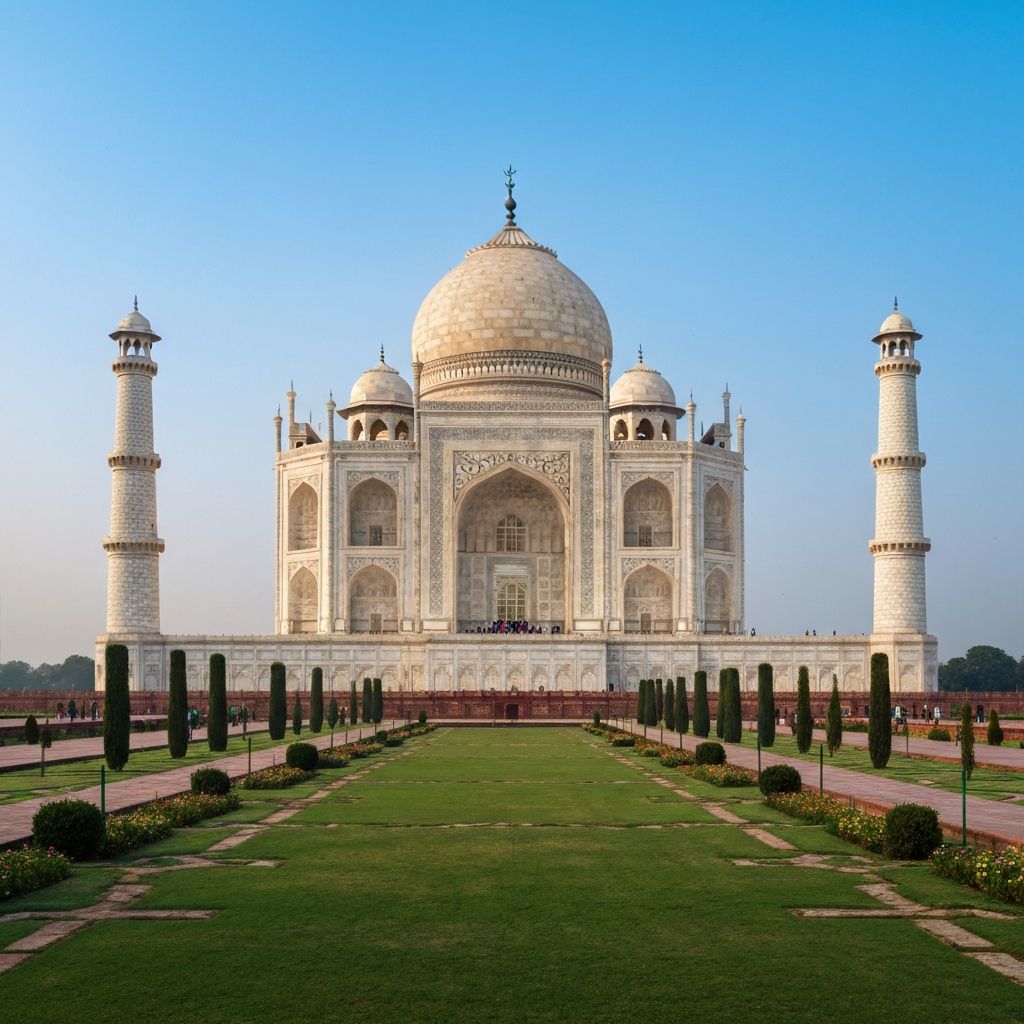
- Days 3-4: Agra — Taj Mahal, Agra Fort, relax between activities
- Days 5-6: Jaipur — Pink City, palaces, markets
- Days 7-8: Goa — relax, beaches, recover from previous pace
- Days 9-10: Return/buffer
Slower pace more enjoyable than rushing between destinations. Rest days essential; over-packing itineraries cause fatigue and missed experiences.
Preparing for Your First India Adventure
Your first India visit sets trajectory for future visits. Approach with openness, patience, and humor. Most challenges become hilarious stories afterward. Embrace the chaos, respect the culture, and prepare for transformation. Get your India eVisa and embark on the adventure of a lifetime!
Ready to Visit India?
Get your India eVisa quickly and easily with our expert assistance